

Planning meals from pantry staples is a smart way to simplify your cooking routine while reducing grocery expenses and food waste. With a well-stocked pantry and a little creativity, you can whip up tasty and nutritious meals without frequent trips to the store. In this blog post, we’ll walk you through how to organize your pantry, plan meals effectively, and make the most of staple ingredients on hand.
Why Planning Meals from Pantry Staples Is Beneficial
Before diving into the “how,” let’s consider why planning meals around pantry staples makes sense:
– Convenience: Having ingredients ready means less last-minute scrambling for dinner ideas.
– Cost-effective: Buying staples in bulk and planning around them can lower your grocery bills.
– Waste reduction: Using pantry items before they expire helps minimize food waste.
– Versatility: Staples like rice, beans, canned tomatoes, and pasta serve as the base for countless dishes.
Step 1: Organize Your Pantry for Easy Access
An organized pantry is the foundation of stress-free meal planning. Here’s how to set it up:
Sort and Categorize
Group similar items together, such as:
– Grains and pasta (rice, quinoa, spaghetti)
– Canned goods (beans, tomatoes, tuna)
– Baking essentials (flour, sugar, baking powder)
– Oils and condiments (olive oil, vinegar, soy sauce)
– Spices and herbs
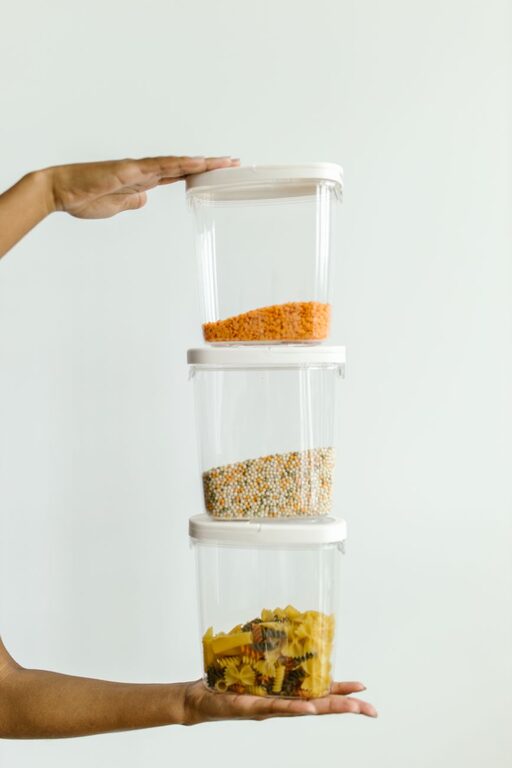
Use Clear Containers and Labels
Transfer loose items into clear storage containers and label them. This helps you quickly see what you have and avoid buying duplicates.
Keep a Pantry Inventory
Maintain a simple list of your staples with quantities and expiration dates. Update it regularly to keep track of what’s available.
Step 2: Identify Your Pantry Staples
While every pantry is different, there are common staples many homes stock. Some versatile staples include:
– Grains: Rice, pasta, oats, quinoa, couscous
– Legumes: Canned or dried beans (black beans, chickpeas, lentils)
– Canned goods: Tomatoes, vegetable broth, coconut milk
– Baking supplies: Flour, sugar, baking soda, yeast
– Oils and fats: Olive oil, vegetable oil, butter
– Proteins: Canned tuna, peanut butter, nuts, seeds
– Herbs and spices: Salt, pepper, garlic powder, chili flakes, dried oregano, cumin
Knowing what staples you have will help you plan meals confidently.
Step 3: Plan Meals Around Pantry Staples
Create Meal Themes
Assign meal ideas based on the ingredients you have. For example:
– Rice night: Fried rice with canned vegetables and eggs
– Pasta night: Spaghetti with tomato sauce and canned tuna
– Soup night: Lentil soup using dried lentils, canned tomatoes, and broth
– Salad night: Bean salad with canned beans, olive oil, herbs, and fresh produce when available
Mix and Match Ingredients
Combine pantry staples with fresh or frozen produce for variety. For instance:
– Use canned chickpeas in salads or curries
– Add fresh vegetables to pasta dishes
– Mix canned beans with rice and spices for a hearty bowl
Batch Cook for Busy Days
Make large portions of pantry-based meals like chili, soups, or casseroles that keep well and can be reheated.
Step 4: Find Reliable Recipes Using Pantry Staples
When starting out, it’s helpful to rely on tried-and-true recipes featuring pantry staples. Some examples:
– Chickpea curry: Canned chickpeas simmered with canned tomatoes, coconut milk, and spices
– Tuna pasta salad: Cooked pasta mixed with canned tuna, olive oil, lemon juice, and herbs
– Lentil stew: Lentils cooked with carrots, onions, canned tomatoes, and spices
– Oatmeal: Rolled oats cooked with milk or water, topped with nuts or dried fruit
There are many websites and cookbooks dedicated to pantry-based cooking—explore them for inspiration.
Step 5: Maintain Flexibility and Get Creative
Pantry meal planning works best when you stay flexible:
– Substitute similar staples if one runs out (e.g., use barley instead of rice)
– Experiment with spice blends to change up flavors
– Use pantry staples as a base and add fresh ingredients according to availability
Don’t be afraid to improvise—sometimes the tastiest meals come from a little creativity!
Step 6: Restock Your Pantry Smartly
After planning and cooking, keep your pantry stocked with essentials:
– Buy staples in quantities you’ll use before they expire
– Rotate items so older products are used first
– Replenish basic spices and oils regularly
Having a reliable stock of pantry staples ensures meal planning stays easy and stress-free.
—
Final Thoughts
Planning meals from pantry staples saves time, money, and effort. By organizing your pantry, knowing your staples, and using simple recipes, you can create delicious, varied meals any day of the week. Start small, keep things flexible, and enjoy the convenience of cooking from what you already have on hand. Happy cooking!