

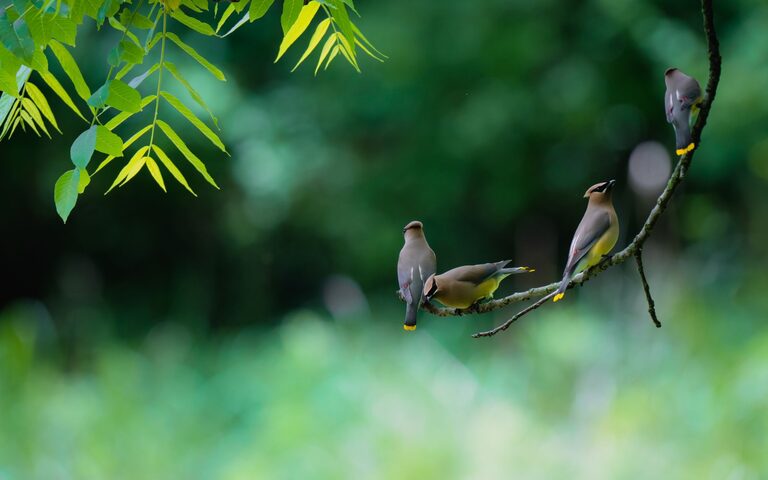
Birdwatching is a rewarding and enjoyable hobby that allows you to connect with nature right from your backyard. Whether you live in a bustling city or a quiet suburb, you can attract a variety of birds and observe their behaviors with a little preparation and patience. This beginner’s guide covers essential tips to help you start backyard birdwatching with confidence and excitement.
Why Birdwatching in Your Backyard?
Birdwatching offers many benefits, including stress relief, a chance to learn about wildlife, and an opportunity to contribute to local conservation efforts. You don’t need to travel far or invest in expensive gear to begin. Many common bird species are easily attracted to backyards with the right setup.
Setting Up Your Backyard for Birdwatching
1. Provide Food Sources
Birds are naturally drawn to places where they can find food. Different species have varied preferences, so offering a variety can attract a wider range.
– Feeders: Popular options include tube feeders for seeds like sunflower or nyjer, platform feeders for mixed seeds and fruits, and suet feeders for insect-eating birds.
– Natural Food: Plant native trees, shrubs, and flowers that produce seeds, berries, or nectar. This supports local birds and other wildlife.
– Water: A clean birdbath or shallow water source is essential. Birds need water for drinking and bathing to maintain healthy feathers.
2. Create Shelter
Birds seek safe places to rest and hide from predators. Providing shelter can make your yard more appealing.
– Trees and Shrubs: Dense foliage offers protection and nesting spots.
– Brush Piles: Piles of sticks or leaves create hiding places.
– Nest Boxes: Installing birdhouses suited to local species encourages breeding.
3. Choose the Right Location for Feeders and Baths
Place feeders and birdbaths in quiet, sheltered areas away from heavy foot traffic and predators like cats. A spot with some nearby cover helps birds feel secure.
Essential Equipment for Beginners
You don’t need fancy tools to begin birdwatching, but a few items can enhance your experience.
– Binoculars: A lightweight pair with 8x to 10x magnification is ideal for clear views without strain.
– Field Guide or App: A bird identification book or app helps you recognize species by appearance and calls.
– Notebook: Keeping a journal of your sightings is fun and educational.
Learning to Identify Birds
Observe Size and Shape
Look at the overall body size and shape. Is the bird small like a sparrow or larger like a crow? Note beak shape, tail length, and posture.
Note Color Patterns
Colors and markings on wings, head, breast, and tail are key clues.
Listen to Bird Calls
Each species has distinct songs or calls. Learning these sounds helps with identification, especially when birds are hidden.
Behavior and Habitat
Watch how the bird moves and where it prefers to stay. Some birds cling to tree bark, while others forage on the ground.
Best Practices While Birdwatching
– Be Patient: Birds may take time to discover new feeders or water sources.
– Stay Quiet and Still: Sudden movements and loud noises can scare birds away.
– Respect Wildlife: Avoid disturbing nests or handling birds.
– Change Feeders Occasionally: This helps prevent disease and attracts different species.
Enjoying the Experience
Birdwatching is not just about spotting many species. It’s about appreciating the natural world and finding moments of calm. Sharing your hobby with family or friends can also make it more rewarding.
Getting Involved in the Birdwatching Community
Many organizations and clubs welcome beginners and offer resources, local bird walks, and citizen science projects. Participating helps you learn more and contributes to bird conservation.
—
By setting up your backyard thoughtfully and learning to observe carefully, you can create a vibrant space that attracts and supports birds. Birdwatching is a hobby you can enjoy year-round, bringing a little bit of nature right to your doorstep. Happy birdwatching!