

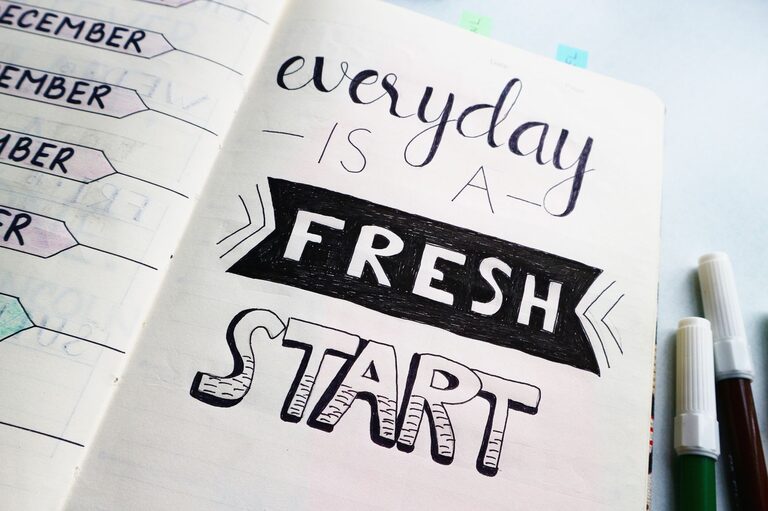
Creativity isn’t just for artists or writers—it’s a skill everyone can cultivate and enjoy every day. Whether you want to solve problems at work, add more joy to your hobbies, or simply think outside the box, practicing creativity regularly can help. The good news is that boosting your creative skills doesn’t require special tools or long hours. Small, simple habits can make a big difference.
In this post, we’ll explore practical ways to make creativity part of your daily life. These ideas are easy to adapt and designed to inspire you no matter your interests or schedule.
Why Practice Creativity Every Day?
Creativity helps you approach challenges with fresh perspectives and find innovative solutions. It can increase your confidence and improve your overall well-being. Like any skill, creativity grows stronger with practice. The more you engage your creative muscles, the easier it becomes to generate new ideas and think imaginatively.
Simple Daily Practices to Spark Creativity
1. Keep a Creative Journal
Writing or sketching in a journal for just five minutes a day can unlock your imagination. Use it to jot down ideas, doodle, or reflect on your experiences. Don’t worry about perfection—let your thoughts flow freely.
Tips for your creative journal:
– Write down a favorite quote and reflect on it.
– Sketch an object nearby.
– List three things you’re grateful for.
– Brainstorm solutions to a small problem.
2. Try a Daily Drawing or Doodle
You don’t have to be an artist to benefit from drawing. Doodling encourages your brain to think visually and relaxes your mind. Set a timer for five minutes and draw whatever comes to mind, whether abstract shapes or a simple scene.
3. Experiment with New Recipes or Foods
Cooking is a delicious way to get creative. Try a new recipe or combine ingredients you haven’t used before. This sensory experience can stimulate your imagination and open your mind to new possibilities.
4. Take a Different Route
Changing your routine can spark fresh ideas. If you usually drive to work, try walking or biking one day. Explore a new neighborhood, take a different path home, or visit a local park.
5. Practice Mindfulness and Observation
Creativity often begins with noticing details around you. Take a few minutes each day to mindfully observe your surroundings. Look closely at colors, shapes, sounds, or smells. This practice trains your brain to find inspiration in everyday life.
6. Read Something Outside Your Usual Interests
Expand your mind by reading books, articles, or blogs from different genres or fields. Exploring new topics can connect ideas in unexpected ways and spark creativity.
7. Set Mini Creative Challenges
Challenge yourself with small, fun tasks such as:
– Writing a six-word story.
– Taking a photo of something blue.
– Creating a poem using three random words.
These mini challenges keep your creative thinking active and playful.
8. Collaborate or Share Ideas
Talking with friends or joining a creative group can offer fresh perspectives. Collaboration helps you see things differently and build on others’ ideas.
How to Stay Consistent
Building a daily creativity habit is easier when you make it fun and manageable. Here are some tips:
– Start small: Commit to 5–10 minutes a day.
– Schedule it: Choose a regular time that fits your routine.
– Remove pressure: Focus on enjoyment, not perfection.
– Celebrate progress: Notice how your creativity grows over time.
Final Thoughts
Creativity is a powerful tool that can enrich your life in countless ways. By practicing simple activities every day, you can nurture your imagination and bring more joy and innovation into your world. Remember, creativity is a journey, not a destination—so keep exploring, experimenting, and having fun!