

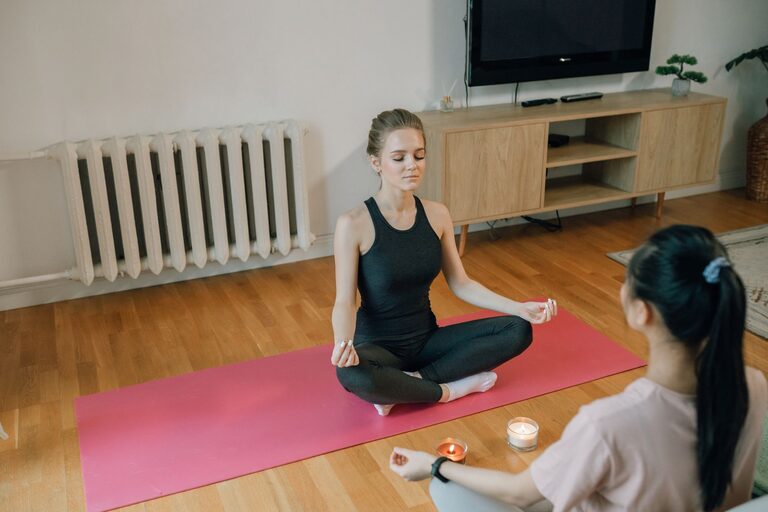
Taking mindful breathing breaks is an easy and effective way to pause, reset, and refresh your mind during busy days. For beginners, these short moments of focused breathing can help reduce stress, increase relaxation, and improve concentration. If you’re new to mindfulness practices, this guide will walk you through simple tips to get started with mindful breathing breaks so you can enjoy the benefits anytime, anywhere.
What Is Mindful Breathing?
Mindful breathing is the practice of paying full attention to your breath—how it feels as it enters and leaves your body—without trying to change it. This awareness anchors you in the present moment and helps calm your mind, especially when stress or distractions arise.
Unlike deep breathing exercises that focus on controlling breath length or volume, mindful breathing encourages gentle observation. You simply notice each inhale and exhale and allow yourself to be present with this natural rhythm.
Why Take Mindful Breathing Breaks?
Modern life is full of constant demands — work deadlines, notifications, and multitasking — which can make us feel overwhelmed. Mindful breathing breaks offer a simple pause that can help:
– Reduce feelings of stress and anxiety
– Improve mental clarity and focus
– Lower physical tension and heart rate
– Enhance emotional regulation
– Promote relaxation and better sleep
Even short breaks, just a few minutes long, can create noticeable benefits and build mindfulness skills over time.
Beginner Tips for Getting Started
If you’re new to mindful breathing, these beginner-friendly tips will help you get comfortable with the practice.
1. Choose a Comfortable Position
You don’t need a special setting to practice mindful breathing. You can sit on a chair, lie down, or even stand. The key is to find a position where your body feels supported and relaxed.
– Sit with your feet flat on the floor, hands resting on your lap.
– Keep your back straight but not stiff.
– Close your eyes if you feel comfortable, or gaze softly downward.
2. Start with a Short Duration
Begin with just 1 to 3 minutes for your first mindful breathing breaks. Short sessions help build confidence and prevent feeling overwhelmed.
You can gradually increase the time as you feel more at ease, aiming for 5 to 10 minutes per break when you’re ready.
3. Focus on Your Natural Breath
There’s no need to control or change your breathing pattern. Simply observe how your breath flows in and out.
– Notice the sensation of air entering your nostrils.
– Feel your chest or belly gently rising and falling.
– Be aware of the rhythm and depth without judgment.
4. Gently Redirect Your Attention
It’s normal for your mind to wander during the practice. When you notice your thoughts drifting away, kindly bring your focus back to the breath.
– Think of your breath as an anchor to the present moment.
– Avoid criticizing yourself for distractions; mindfulness is about acceptance.
5. Use a Simple Counting Technique (Optional)
If you find it helpful, you can silently count your breaths to maintain focus.
– Inhale slowly while counting “one.”
– Exhale fully while counting “two.”
– Continue up to five, then start over.
This method can make it easier to stay present without overthinking.
6. Incorporate Mindful Breathing Breaks into Your Day
Look for natural moments to add mindful breathing, such as:
– Before starting work or after finishing a task
– During breaks or lunchtime
– While waiting in line or commuting
– Whenever you feel stressed or distracted
Using reminders, like phone alarms or sticky notes, can help make these breaks a regular habit.
Tips for Enhancing Your Practice
Once you feel comfortable with basic mindful breathing, you can explore additional ways to deepen your practice.
Practice Deep, Slow Breaths
While mindful breathing doesn’t require changing your breath, sometimes slowing your breathing down can deepen relaxation. Try inhaling for a count of four and exhaling for a count of six, allowing your body to unwind with longer exhales.
Combine with Gentle Movement
Pair mindful breathing with stretching or gentle yoga to release tension physically and mentally.
Use Guided Meditations
There are many free apps and online videos that offer guided mindful breathing sessions for beginners. These can provide helpful instructions and encourage consistency.
Common Challenges and How to Overcome Them
Starting a mindful breathing practice might come with some hurdles. Here are common challenges and tips to address them:
– Restlessness or boredom: Keep sessions brief and gradually increase time. Try different times of day or settings.
– Distracted mind: Remember it’s normal. Gently bring attention back without frustration.
– Physical discomfort: Adjust your posture for comfort, use cushions, or sit on a chair if needed.
– Impatience: Mindfulness is a skill developed over time. Celebrate small progress and be patient with yourself.
Final Thoughts
Mindful breathing breaks are a simple, accessible tool for anyone to manage stress, improve focus, and cultivate calm throughout the day. Starting with just a few minutes can bring noticeable benefits and lay the foundation for a lifelong mindfulness practice.
Remember, the goal isn’t to stop your thoughts completely or breathe perfectly—it’s to pause, observe, and be present. With regular practice, mindful breathing can become a refreshing mini-break you look forward to in your daily routine.
Try adding your first mindful breathing break today, and discover how a few conscious breaths can positively shift your mood and mindset.